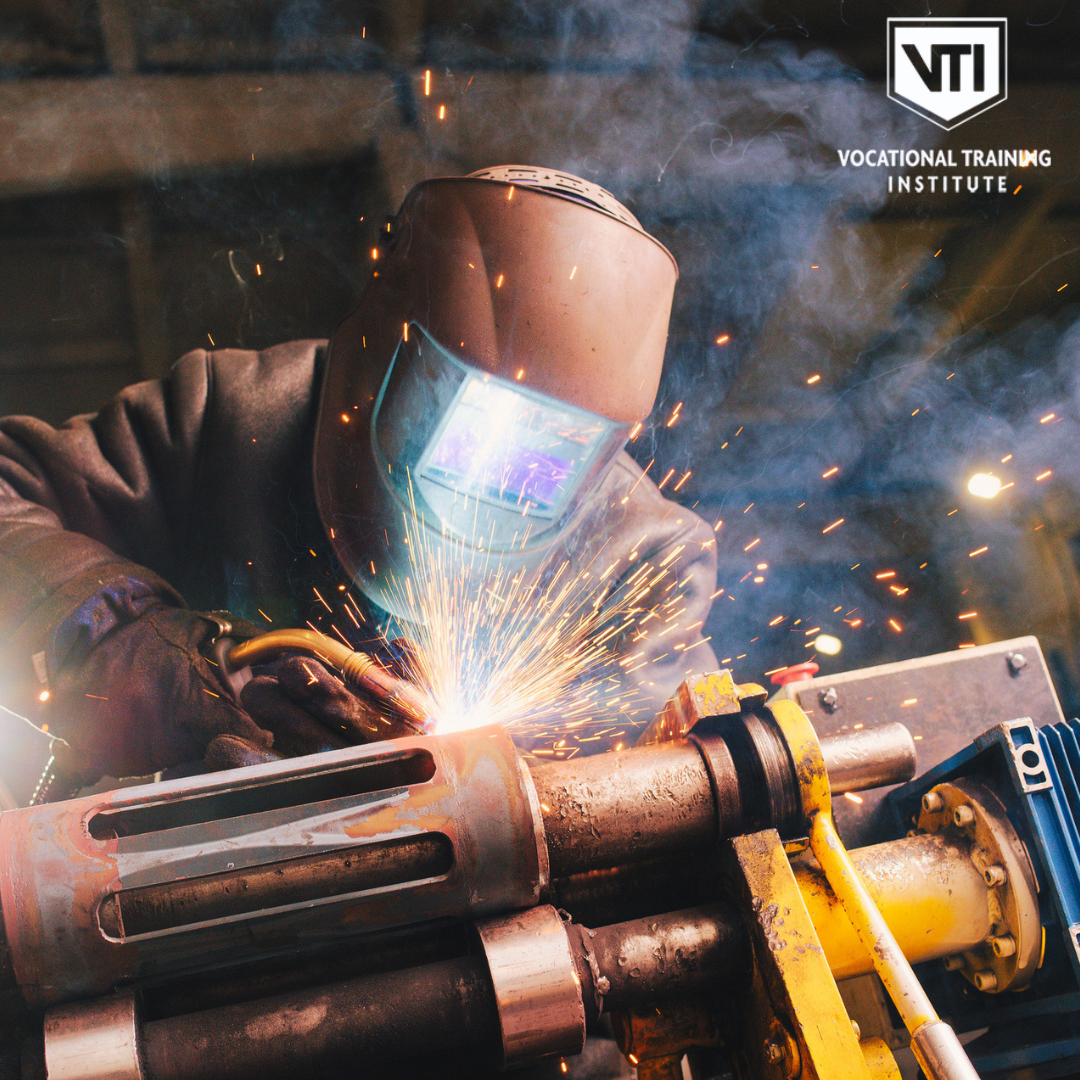
If you’re considering becoming a welder, you need the right training. The good news is that there are a lot of welding programs out there; the bad news is that there are a LOT of welding programs out there, and it can be challenging to figure out which one is the best fit for you. Let’s take a look at some of the things you should be looking at and comparing to make sure you’re choosing the right welding degree program.
What to Consider With a Welding Training Program
Classes and Curriculum
Obviously, one of the most important components of a welding training program is the quality of the education you’ll be getting. Any school you research should have a course catalog available that outlines their programs in detail, including what courses you’ll take and what each of those courses will cover.
Some of the things to be looking for:
- The types of welding techniques you’ll be learning; for example, Shielded Metal Arc Welding (SMAW), Oxyfuel Cutting, Gas Tungsten Arc Welding (GTAW/TIG), etc.
- An emphasis on hands-on training performing welding practices and procedures
- At least one course on safety equipment and safe work practices that aligns with OSHA 10 requirements
- Classes that cover necessary, complementary skills like communication, teamwork, work ethic, critical thinking, and problem solving
Instructors
Just as important as what you’re learning and who you will be learning it from. Your welding instructors should be bringing years of practical, real-world experience to the classroom. The knowledge gained by actually working in the field is invaluable to student success.
To show you some examples from VTI’s own experienced faculty
- Leon Zamora has been in the welding industry for over 40 years and teaching welding for over 20 years.
- Domingo Salinas has been a certified AWS welder for over 20 years and has been teaching for two years.
- Jaydee Cole has been in the welding industry for 37 years and worked at the Palo Verde Nuclear power plant, commercial ships, tugboats, and ocean structural welding.
- Fernando Lopez is an Army veteran, has been in the welding industry for 12 years, and is AWS Certified in flux core dual shield in all positions.
- Jody Bragdon served 11 years in the Army with 23 years of experience across the welding field.
Location and Facilities
Welding is not something you can learn remotely over an internet connection, so finding a school that is conveniently located and outfitted with modern equipment is important. This will vary quite a bit depending on where you live, but it’s important to remember that the school that is physically located closest to you isn’t necessarily going to be the best fit.
Branch out and make sure you’re checking out welding schools that might be a few more minutes away but offers far more support for your new career. Schools close to major highways and thoroughfares—for example, I-17 if you’re in Phoenix—can make the commute to school easier.
The campus, too, makes a difference. Make sure that they have facilities with plenty of workshop and lab space, in addition to classrooms.
Program Length
Welding training is not a career path that requires a four-year degree from a traditional university, but whether a program takes a few weeks, a few months, or a few years varies widely. An associate degree program might take up to two years because you’ll be taking additional general education courses on top of welding-focused training.
A diploma program, however, will often be much shorter by comparison because it’s often exclusively focused on topics and techniques relevant to your industry. VTI’s Welding Training Program, which prepares our students for entry-level welding positions, can be completed in just 6-14 weeks, depending on whether you’re taking daytime or evening classes.
Certifications and Advancement Opportunities
There isn’t a national licensing board for welders, but there is the American Welding Society (AWS). They off many different certifications that you can earn, like:
- Certified Welder Program (CWP)
- Certified Welding Engineer (CWENG)
- Certified Welding Educator (CWE)
- Certified Welding Supervisor (CWS)
- Certified Welding Inspector (CWI)
AWS certifications are not required for every welding job out there, but they can open up more opportunities, especially as you’re beginning your career. An important thing to look for when choosing a welding degree program, then, is whether it will prepare you to sit for AWS certification.
Additionally, you should look for schools that offer more opportunities to grow your skills as your welding career continues. The welding field is very diverse, so it makes sense to add techniques like process piping or MIG welding to expand your options. Weekend workshops like Steve Darnell’s WelderUp Workshop at VTI help demonstrate that a school is committed to supporting welding careers.
Flexibility and Support
The majority of people who are looking into welding training programs benefit the most from a school that understands how to be flexible and supportive to their needs. For example:
- If you are a working adult looking to change careers, you might want to prioritize schools that offer flexible schedules, like evening or weekend classes.
- If you’re a recent high school graduate who wants to make sure they’re ready for the real-world job site, you might be more interested in making sure that the class sizes will be kept small so you get as much personalized attention from instructors as possible.
- If you’re concerned about finding steady work no matter what the economy is doing, your first choice might be a school that offers lifelong job placement assistance.
Reviews and Reputation
One of the best indicators that a welding program is the right one for you is reviews. The easiest way to find reviews is by simply googling the name of the school and looking through what’s on their business profile. Read through what students are saying, but also how the school responds to and engages with what they’re saying.
There is nothing quite like hearing from real students about their experience at a particular school — whether they felt supported, whether they graduated feeling prepared, whether they had positive relationships with their instructors, and so on.
Choose the Right Welding Program at VTI
Vocational Training Institute was founded in 2010 by a U.S. Army veteran who recognized the need for fast-paced, hands-on education in the trades, informed by input from industry experts. We have faculty with real-world experience who can help you train for and grow your career as a professional welder. Our focused, hands-on Welding training program is specifically designed to get you ready for a new job and a new future. If you’re ready to get started, register with VTI in Phoenix today.