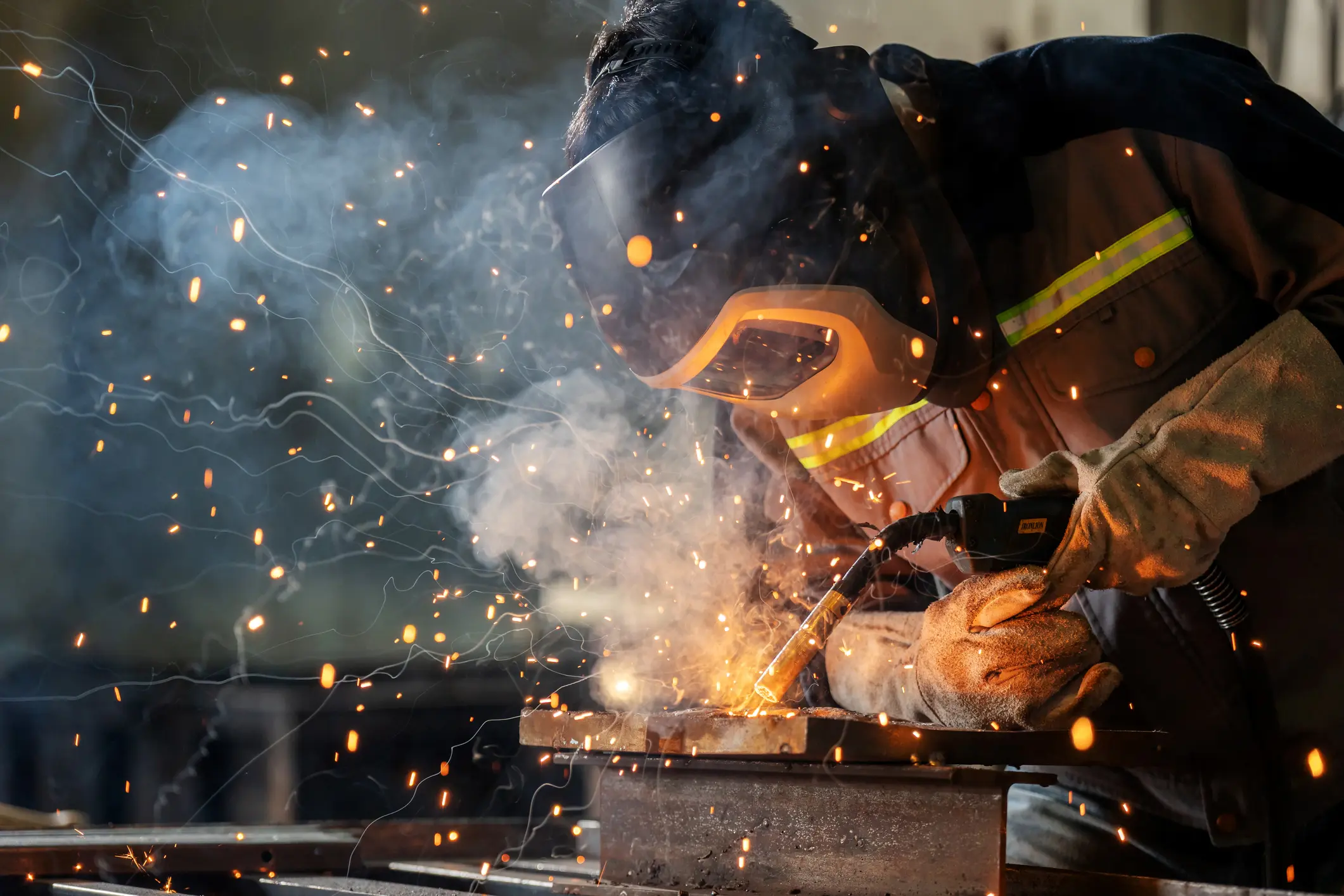
Welding is an incredible, growing career, but it is not without its hazards. Which means understanding the safety equipment involved in protecting you from these risks is a key component of a welding education. Let’s take a look at the common hazards you might encounter and the gear that will keep you safe.
What Are Common Welding Risks?
Because of the nature of the work, welders are exposed to a variety of hazards, including:
- Welding burns from direct contact with hot metal or exposure to UV radiation
- UV radiation damage to your skin or eyes, like sunburn and cataracts
- Fumes from the welding process harming your respiratory system
- Electrical shocks from equipment that isn’t properly grounded
- Photokeratitis from exposure to an unshielded welding arc even for a brief moment
- Hearing damage from excessive noise
What Is the Essential Safety Equipment for Welders?
Welding Helmets
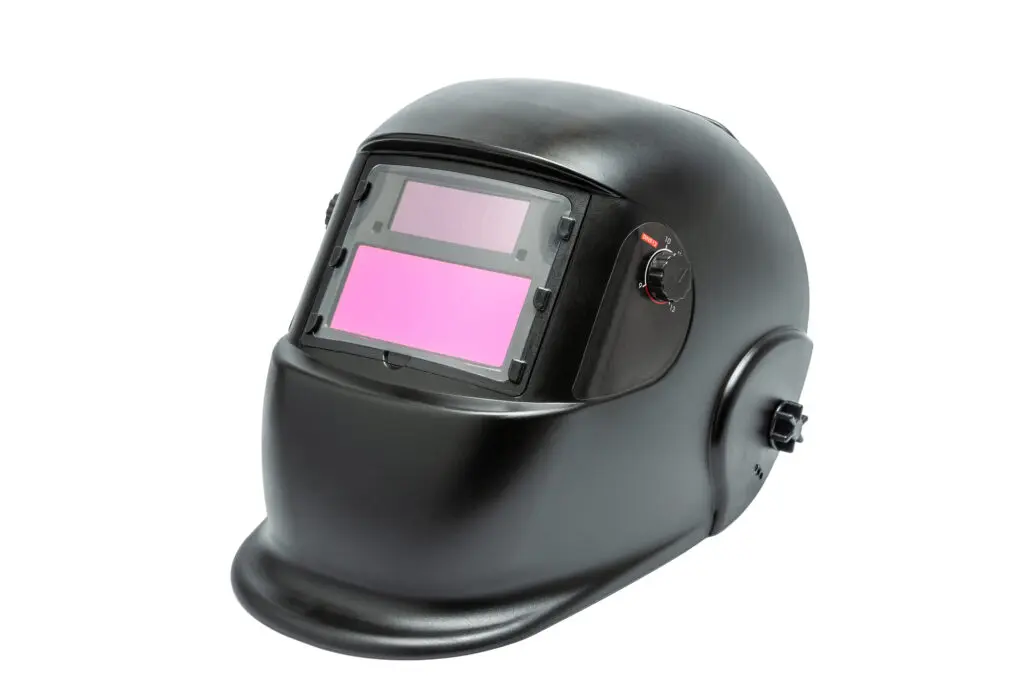
A welding helmet or welding hood is both one of the most important pieces of gear and one of the most recognizable symbols of welding. It is made up of a rigid shell, a headgear assembly, and either a fixed-shade or auto-darkening filter (ADF) lens.
- Fixed-shade hoods use a filter glass that is a single, consistent shade number. They are battery-independent, but welders will have to flip the hood up in order to check their work.
- ADF hoods use liquid crystal tech to darken the filter from a clear resting state to the necessary shade for the weld you’re doing.
Different welds require different shades, and it’s important to get it right. Too light and you’ll be exposed to potential eye damage; too dark and you won’t have the best visibility which may affect weld quality.
Safety Glasses or Welding Goggles
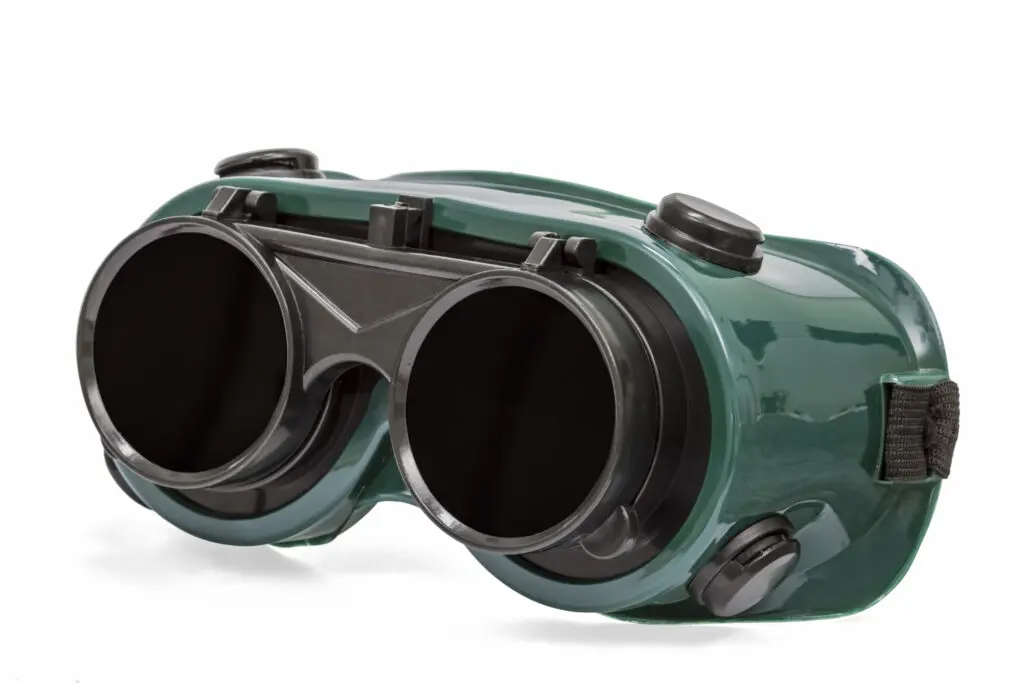
Underneath a welding helmet, safety glasses provide additional eye protection. This is especially important when you have to lift the welding helmet to check your work or when you’re doing related non-welding tasks like grinding or chipping slag.
Welding goggles perform a similar function, but they seal around the eye socket. In projects where a full hood isn’t needed or practical, like brazing and torch-cutting operations, goggles can be used as an alternative.
Welding Gloves
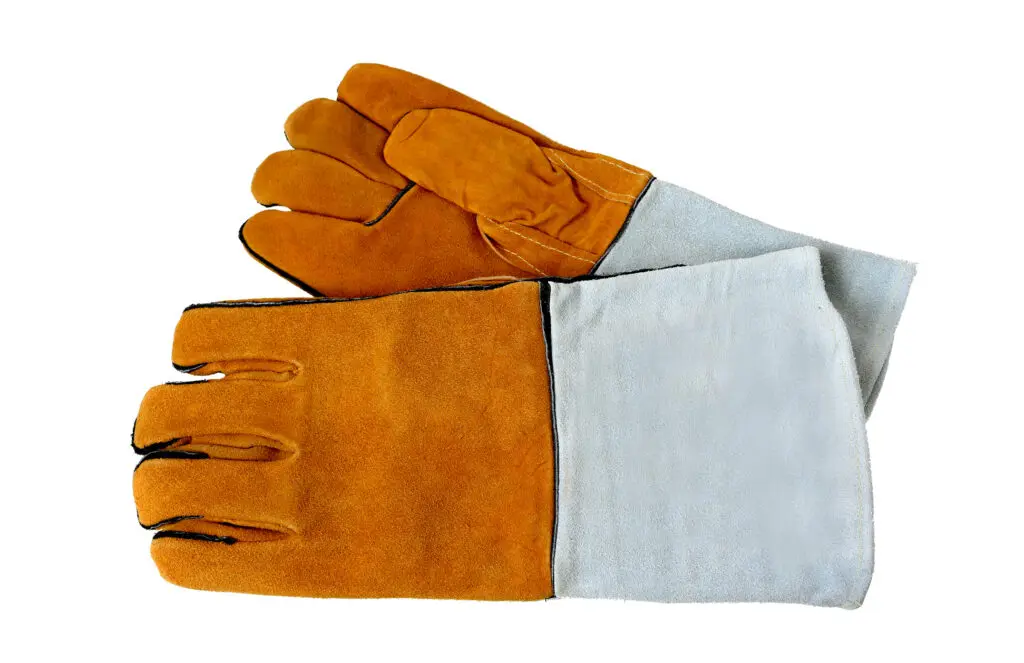
Your hands are your moneymakers as a welder. They are also constantly close to contact with hot metal, spatter, electric shock, and abrasions and cuts. That’s why welding gloves are so important and to know which type of glove is best for each job.
- Heavy-duty, full-grain leather gauntlets, best for maximum heat and spatter resistance with a longer cuff to protect the wrist
- Heat-resistant leather gloves, when heat protect is key and dexterity is less of a priority
- Medium-weight leather gloves, best for heat resistance with reasonable dexterity for wire feeding, torch handling, etc.
- Cut-resistant leather or Kevlar-lined gloves, when protection from abrasions and cuts is top priority
- Thin, supple leather, best for fine tactile sensitivity and dexterity when precise torch manipulation is needed
Protective Welding Clothing
With the potential for hot sparks and molten metal spray, it’s vital that welders protect their entire bodies. There are several pieces of protective clothing gear that can do that:
- Welding aprons: Leather aprons that cover the front of the torso down to the upper legs and are especially valuable during overhead welds
- Welding jackets: The primary garment for body protection. Can be made of lightweight cotton treated with fire retardant or full-grain, split-leather and should cover the full torso and arms with close-fitting cuffs and a collar
- Welding sleeves: Flame-resistant or leather sleeves worn either in place of a full jacket or over the jacket arms when additional protection is needed
- Welding caps: Can be anything from a balaclava to a bandana, made of flame-resistant materials to help protect the head and hair
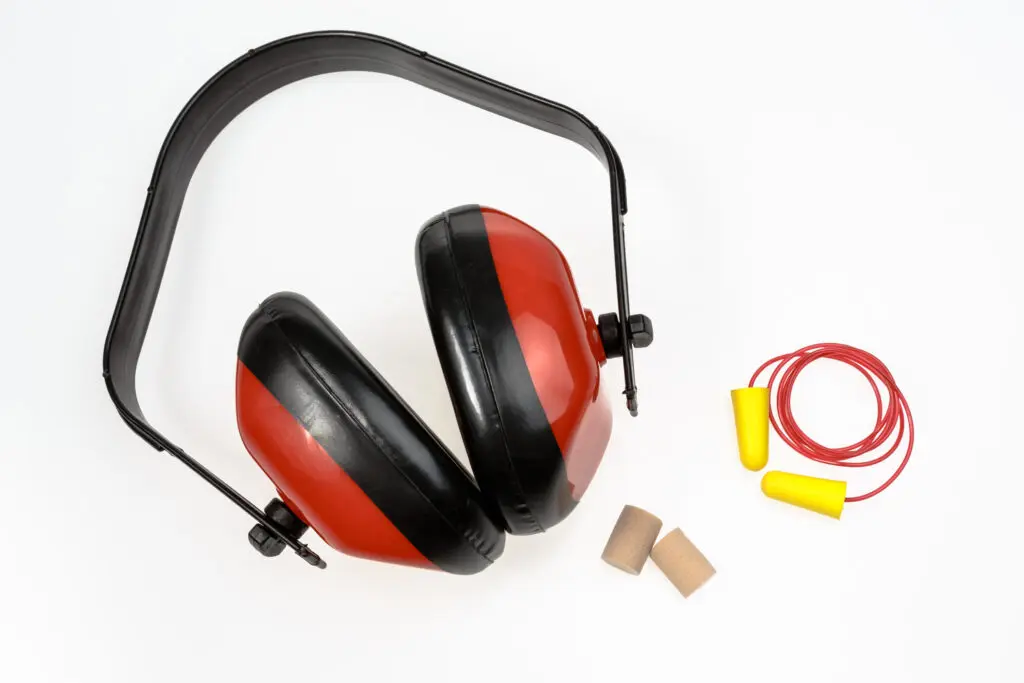
Ear Protection
Something that can be easy to overlook is how much noise is created in welding. Over time, exposure to this persistent noise and loud sounds can cause hearing damage if protective measures aren’t taken. Earplugs or earmuffs can both offer coverage to help preserve your ears.
Welding Boots
On a job site, your feet will need to be protected from falling or rolling heavy objects, sharp objects, and burns from hot metal or splatter. The best choice is to get heavy-duty leather boots with steel toecaps and heat-resistant soles. Ideally, the boots will also be electrical hazard-rated to protect against step-and-touch voltages.
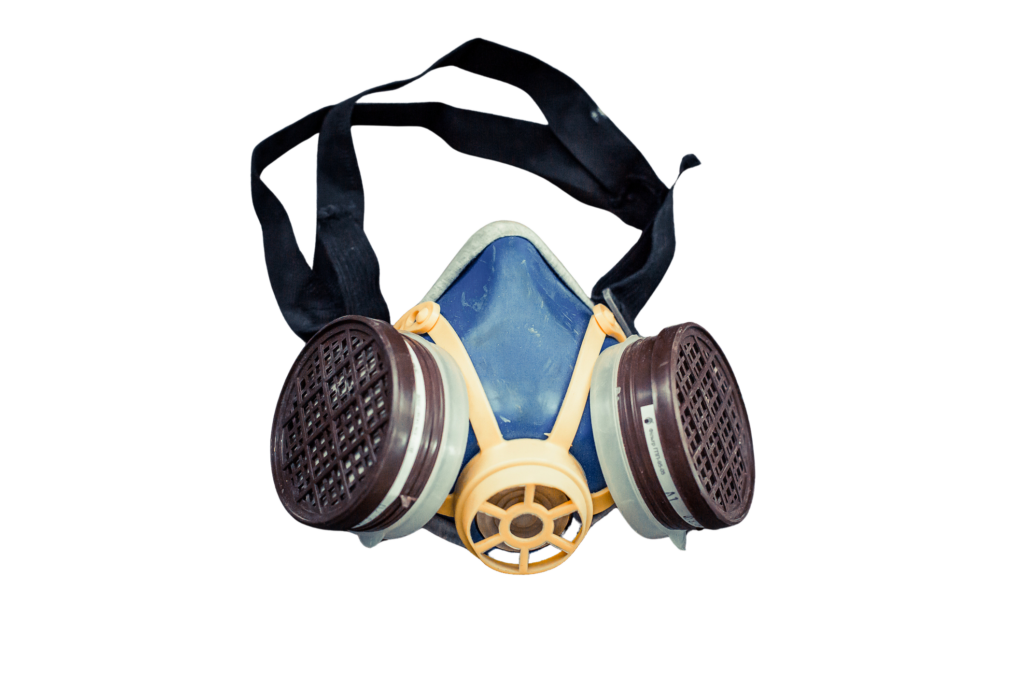
Respiratory Protection
The heat of a welding arc vaporizes the metals, electrode coatings, filler wires, etc., that welders work with. While the first line of defense is to always weld in well-ventilated areas, a respirator rated for welding fumes can provide even better protection for your lungs.
Welding Together Skill and Safety
At Vocational Training Institute in Phoenix, AZ, we know how important safety education is for up-and-coming welders, and we make it an integral part of our Welding training programs. Our faculty have real-world experience that they bring into the classrooms and workshops so you can benefit from their professional knowledge. Our focused, hands-on Welding training programs are specifically designed to ready you for a new future. If you’re ready to get started, contact VTI in Phoenix today.