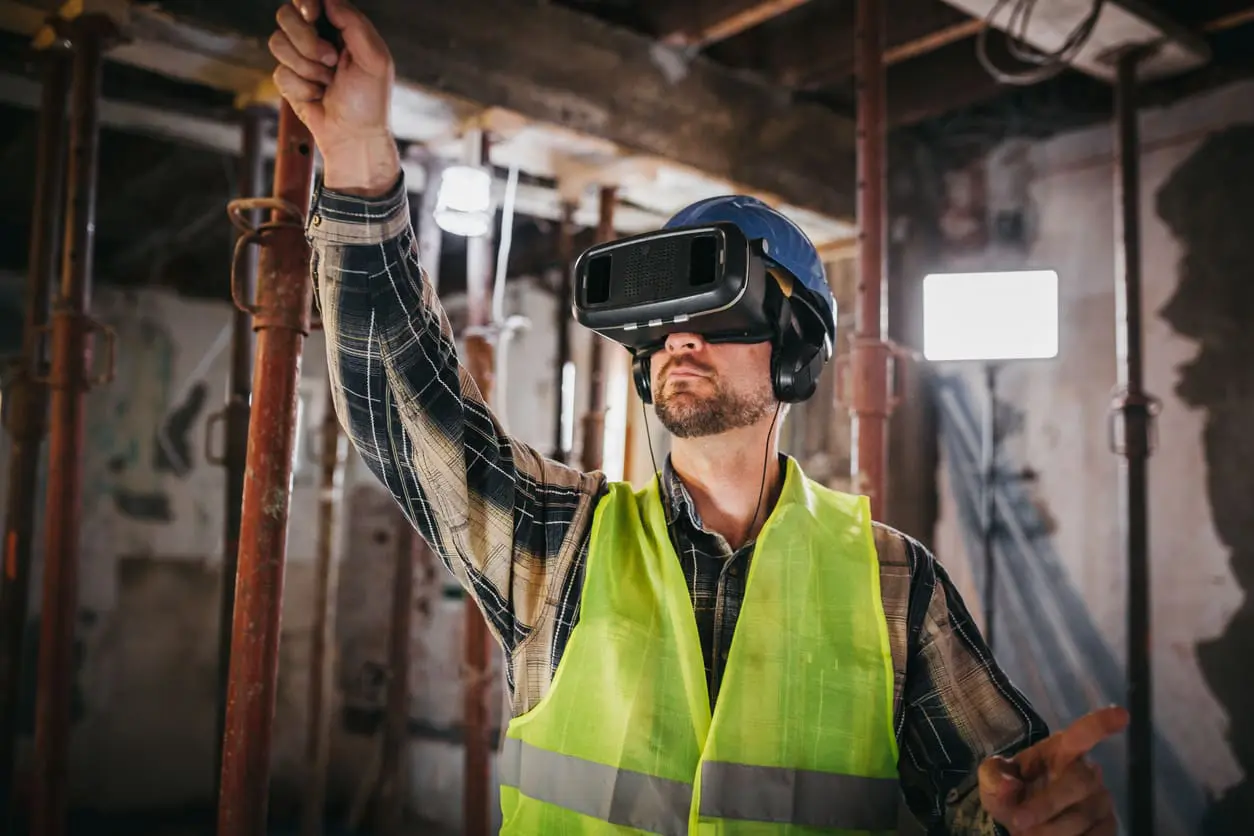
In today’s rapidly evolving technological landscape, the HVAC industry is experiencing a significant transformation in education and training methods. Emerging technologies like virtual reality, simulations, and online learning platforms can play an active role in HVAC education. While these technological innovations are not substitutes for hands-on learning, they can enrich the HVAC training experience and prepare students for the dynamic challenges of the modern HVAC industry.
Embracing Virtual Reality in HVAC Training
Virtual Reality has emerged as an option for HVAC education. By immersing students in realistic 3D environments, VR allows them to engage in hands-on training without the risks associated with real-world scenarios. HVAC students can practice tasks such as system installation, diagnostics, and repairs in a controlled, safe environment.
Advantages of Simulation-based Learning
Simulations provide a risk-free platform for HVAC students to apply theoretical knowledge to practical situations. It allows students to repeatedly practice complex procedures, receive immediate feedback, and build confidence in their skills. This approach not only enhances understanding but also improves knowledge retention.
Interplay Learning, an Austin, Texas-based company that specializes in immersive skilled trades training, says VR simulations create a virtual workspace where technicians can perform various tasks, such as inspecting and repairing HVAC systems. When simulations are used, instructors can adjust them to practice different problems that technicians might encounter on the job, providing comprehensive learning experience. At Vocational Training Institute, simulations allow the student to troubleshoot problems without resulting in real-life, costly fixes or repairs.
Online Learning Makes HVAC Training Flexible
Online learning platforms offer flexibility and accessibility to students pursuing HVAC training. Learners can access course materials anytime, anywhere, allowing them to balance their studies with personal and professional commitments. These platforms often include interactive modules, video tutorials, and assessments to cater to various learning styles.
Preparing Students for the Future
The integration of VR, simulations, and online learning in HVAC training equips students with the skills and confidence needed to excel in the industry. These technologies provide an
immersive learning format that mirrors real-world challenges, ensuring that graduates are well-prepared to meet the demands of the job market.
Discover VTI’s HVAC training program, which incorporates simulation exercises, lab work and many opportunities to experience hands-on training. VTI can help you achieve your professional goals, so contact us today to learn more about our courses and enrollment options.