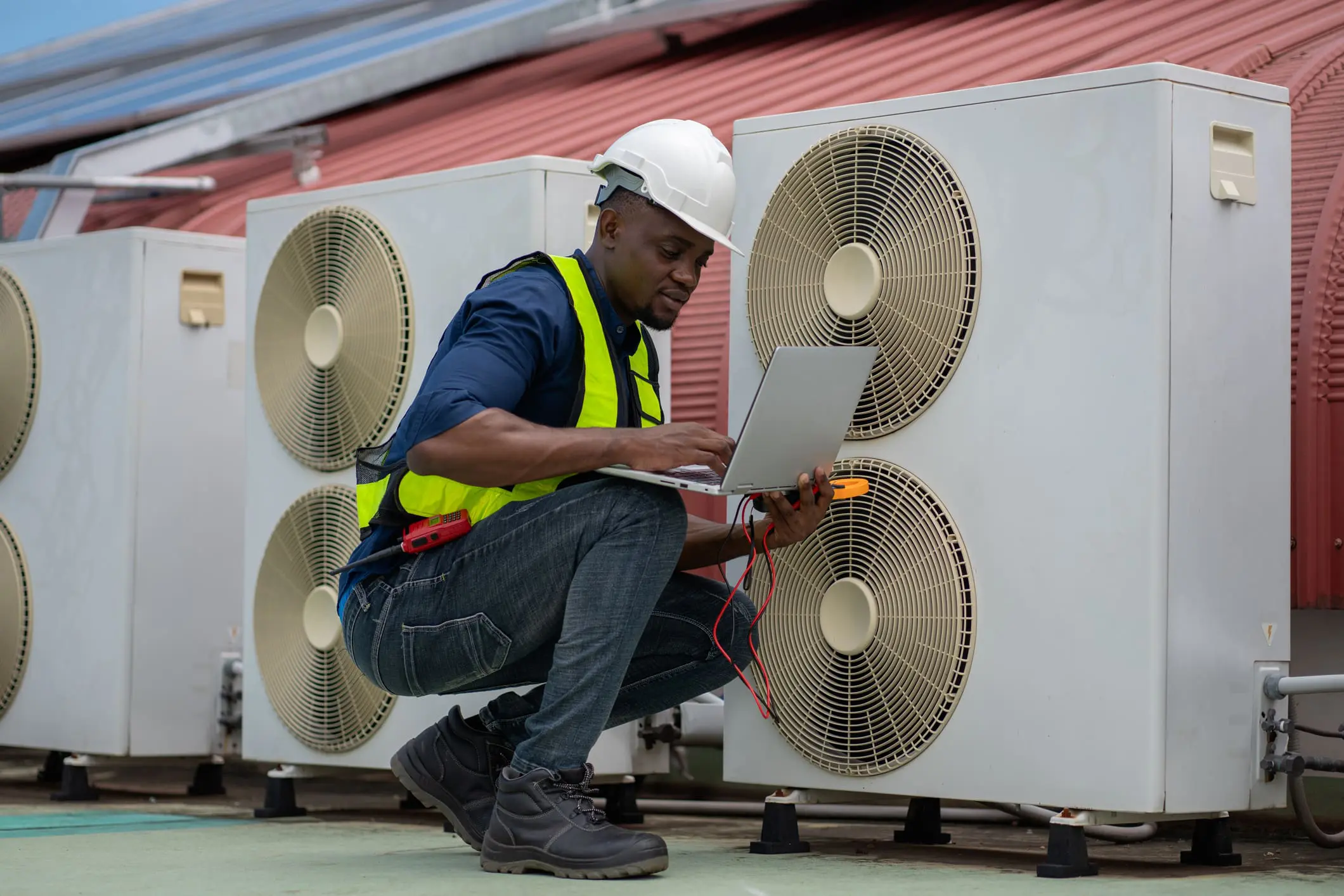
It’s a home owner’s nightmare: waking up one morning, shivering, the house feeling like an ice box, only to discover that the heat is out. It’s not an uncommon occurrence, even when people schedule regular preventive maintenance appointments, and it can be both costly and time-consuming. That’s why more and more HVAC/R technicians are turning to a more advanced method: predictive maintenance.
What Is Predictive Maintenance?
Predictive maintenance is an innovative approach to maintaining integrated equipment, like heating, ventilation, and air conditioning systems. The idea is to apply AI and machine learning to data like current equipment condition and measurements to more accurately determine when maintenance should be performed. It’s about replacing traditional maintenance methods with strategic, planned stops that maximize both the life of the system and the time of the HVAC/R technician.
A Maintenance Method Breakdown
- Reactive: Fixing equipment after it breaks. For example, the air conditioner going out in the middle of a heat wave. Or a home dehumidifier breaking down with no warning. Can be extra expensive for the customer and stressful for technicians when weather extremes result in multiple emergency calls.
- Preventive: Proactively servicing equipment on a regular, time-based schedule. For example, getting a tune-up on your heater every fall. Can result in unnecessary replacements or missed issues if something goes wrong between scheduled appointments.
- Predictive: Leveraging smart technology to service equipment based on a condition-based schedule, rather than time-based. Can offer a more targeted approach that allows for continuous monitoring of performance and lower costs for customers.
How Does HVAC/R Predictive Maintenance Work?
So how does HVAC/R predictive maintenance actually work? It’s all about data analysis, most of it gathered from sensors installed on HVAC/R equipment that continuously monitor and transmit data to cloud-based, advanced analytics programs that sift through it for anomalies and key indicators.
The sensors detect things like:
- Temperature and thermal performance
- Pressure fluctuations
- Airflow and duct obstructions
- Vibrations on mechanical components
- Power draws
Any anomalies or disturbances from this data sends up an alert through the software, initiating further investigation from an HVAC/R technician.
Predictive Maintenance Techniques
- Vibration sensors and analysis – This is a critical component for identifying potential mechanical failures. Different parts of an HVAC/R system—compressors, chillers, pumps, motors, etc.—produce distinct vibrations when they’re operating well, so any changes in them can indicate a potential problem. Deeper analysis can often pinpoint a specific problem before it become an emergency.
- Thermal imaging – This uses infrared cameras on system equipment like boilers, chillers, air handlers, etc., that measure energy emissions and hot and cold areas. It can be a useful tool for identifying issues like insulation problems and air leaks.
- Oil analysis – This technique monitors the condition of oil lubricants in a system’s equipment by taking samples and then analyzing them in a lab. The method helps technician detect wear and tear and contamination.
How HVAC/R Customers Benefit from Predictive Maintenance
Predictive maintenance is becoming the go-to best practice in HVAC/R, and it’s not hard to see why when you look at the benefits it offers.
Lower Costs
Predictive maintenance lets HVAC/R technicians get the jump on issues before they become expensive emergencies, which means lower costs for the customers and fewer after-hours appointments. It saves money on the business side, too, because breakdowns can bring on extra costs in the form of rush-ordering parts and paying overtime.
Longer-Lasting, More Efficient Equipment
Providing a system with maintenance and repairs right when it needs it—rather than running it until it breaks or making unnecessary replacements—has been shown to extend the lifetime of HVAC/R parts and supplies. They work more efficiently for longer, which saves you and your customers time and money.
Reduced Downtime
An HVAC/R breakdown in a residential home is a major frustration. An HVAC/R breakdown at a hospital or other critical facility is panic-worthy. Predictive maintenance can cut down on disruptions that range from irritating to dangerous.
Improved Safety
HVAC/R systems not only affect temperature, but also air quality, carbon dioxide levels, humidity and other factors that directly impact respiratory comfort and health. Leveraging predictive maintenance reduces the risk of an equipment failure that impacts customers’ quality of life.
Predicting Better HVAC/R Opportunities
Machine learning and data analysis have opened up a whole new world of possibilities with predictive maintenance, offering HVAC/R technicians a more efficient, effective way to work that benefits their customers as well. Discover VTI’s HVAC/R training program, which incorporates simulation exercises, lab work and many opportunities to experience hands-on training. VTI can help you achieve your professional goals, so contact us today to learn more about our courses and enrollment options.