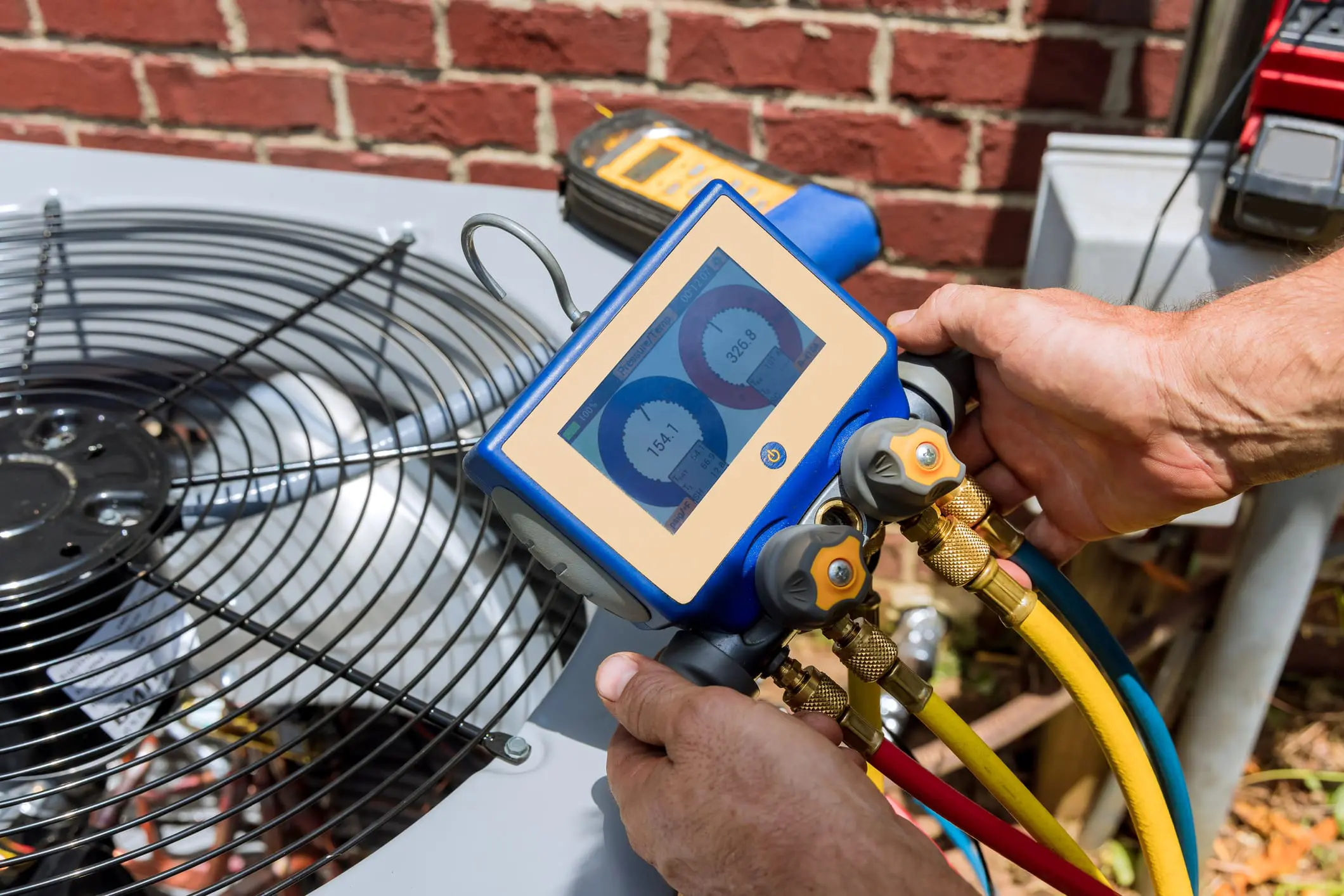
Over the decades, the Environmental Protection Agency (EPA) has been working to reduce the use of the hydrofluorocarbons (HFCs) many refrigeration and air conditioning systems have utilized. In fact, in 2018, around 75% of all HFC use occurred in refrigeration and air conditioning equipment. HFCs – like R-22 (freon) and R-410A – have a very high global warming potential (GWP), making them a significant factor in accelerating climate change, and the EPA has been overseeing a structured transition away from high-GWP refrigerants in favor of more environmentally friendly materials.
But what exactly are these newer, greener refrigerants? And what role do they play in the future of HVAC?
What Are Eco-Friendly Refrigerants?
While HFCs are not considered particularly eco-friendly, they were still an improvement over previous refrigerants that directly damaged the ozone layer. However, now we have even better options for modern cooling systems – like hydrofluoroolefins (HFOs) and naturally occurring refrigerants – that offer greater efficiency and much lower GWP.
The Benefits of Eco-Friendly Refrigerants
- Reduced environmental impact – Set aside the EPA regulations; lowering the carbon footprint of HVAC systems is a major advantage and step toward sustainability.
- Better energy efficiency – Many green refrigerants enhance the performance and efficiency of these systems, which can lead to them consuming less energy.
- Greater cost savings – Because of the improved energy efficiency, HVAC systems utilizing eco-friendly refrigerants can save customers more money in the long term.
- Enhanced longevity and future-proofing – Better, cleaner performance means more durable, reliable HVAC systems, and because they’re using the latest materials, they’re better situated for the changing market.
Common Eco-Friendly Refrigerants
R-12 was banned in the 1990s, R-22/Freon is being phased out by 2030, and we’re transitioning away from R-410A and R-404A – what, then, are the refrigerants the HVAC industry is shifting to?
- R-32 – An HFC with a significantly lower GWP and better cooling performance, likely to be the top pick
- R-454B – A greener, more energy-efficient option than R-410A that’s compatible with some older systems
- R-290 (propane), R-600 (isobutane), and R-744 (carbon dioxide) – Natural refrigerants that are both environmentally friendly and efficient
- R-717 (ammonia) – A long-time staple in industrial refrigeration with no ozone impact and a GWP of 0
- R-1234yf, R-1234ze, and R-1233zd – Hydrofluoroolefins (HFOs) with low GWP, low toxicity, and low flammability
Where Do Eco-Friendly Refrigerants Fit in the HVAC World?
Obviously, this isn’t the first time the modern HVAC industry has seen a shift in what our systems use, the last big one happening in the 80s and 90s. The more we learn about how we impact our environment and the more our technology develops, what we find are bigger and better opportunities for HVAC technicians and manufacturers.
The current rise of eco-friendly refrigerants goes beyond lessening the environmental impact. It is a chance for clients and customers to invest in upgraded systems that are more efficient, more powerful, and more cost-effective. It’s a shift that isn’t just about staying compliant with regulations, but also about meeting the growing desire for greener, smarter, up-to-date homes and businesses.
Preparing for a Sustainable HVAC Career
As technology in the HVAC field continues to evolve, training programs are updating their curricula to include sustainable and eco-friendly practices. Today’s HVAC training programs need to ensure that students learn about energy-efficient system design, eco-friendly refrigerants, and smart technologies.
At Vocational Training Institute, our job is to stay updated on the latest sustainable HVAC solutions and pass those on to our graduates. Our HVAC programs offer entry-level HVAC/R technical training in the form of both a streamlined, foundational program and a more comprehensive program. Contact us today to get started so we can equip you with the skill to help reduce the environmental impact of air conditioning systems and contribute to a greener future.